
Spray Foam Basement Insulation in Woodinville, WA
Below-Grade Walls on the Hillside Benches
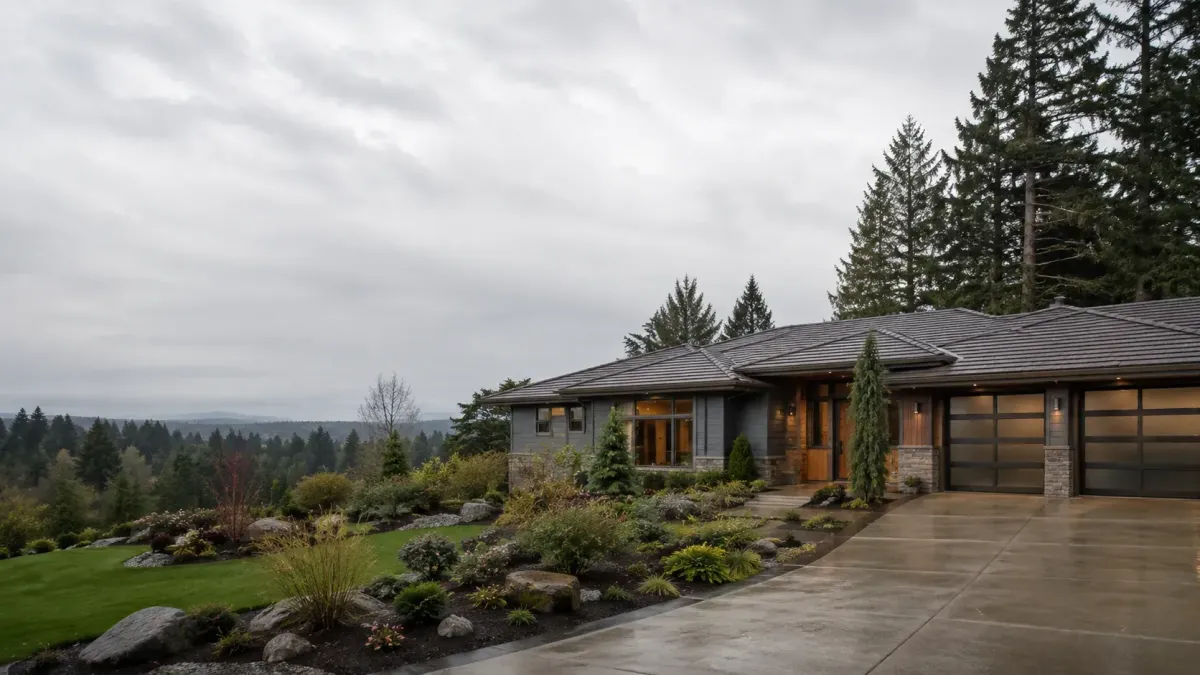
Woodinville splits in a way that changes the basement conversation before anyone measures a wall. The Sammamish River valley floor holds the flats, and steep residential benches rise from it to Hollywood Hill, so a house cut into the slope through Woodinville Heights or the Hollyhills, Pioneer Hills and Morningside cluster frequently has a full below-grade wall on the uphill side and a walk-out on the downhill side. That is one room containing two entirely different wall assemblies, and treating them as one is how these jobs go wrong. The below-grade half is concrete sitting against soil that drains from the bench above it and stays damp for most of the year. Framing a stud wall in front of that and packing it with batts builds a cold concrete face, an air gap and organic material collecting condensation where nobody will see it for years. Closed cell applied directly to the concrete removes the gap and puts the vapor retarder on the correct side.
Valley Floor and Bench, Two Different Buildings
The valley-floor properties nearer Downtown Woodinville are a different building on different ground, generally newer and generally without the below-grade wall that makes the bench houses interesting. Median list prices around this city run well above the regional figure, which tends to mean larger footprints, so the same job covers more area than a comparable house closer in. Permits route through the Woodinville Development Services Department and its online Permit Portal rather than the county. Water comes from the Woodinville Water District, which purchases its supply from the Tolt and Cedar River watersheds, and the district also runs the Saving Water Partnership fixture rebate, which is not an insulation program but is worth knowing exists. Puget Sound Energy serves the city for electricity and gas.
Daylight Basements Cut Into the Slope
A basement cut into one of the Woodinville benches is the assembly we get called to most in this city, and the water question comes before the insulation question every time. Soil draining off the slope above a house on Hollywood Hill or through Woodinville Heights keeps the uphill wall damp for most of the year, and foam is insulation rather than waterproofing. It will not fix an active seep, a failed perimeter drain or hydrostatic pressure, and it will hide all three for long enough to make the repair considerably worse. We look for staining and efflorescence during the assessment and say plainly when drainage has to be resolved by somebody else first, even though that is work we do not do. Where the wall is sound, closed cell goes directly onto the concrete with no framed cavity in front of it, and the rim joist above gets done in the same visit while the access is still open.
Rim Joists Above a Below-Grade Wall
Crawl space work here divides by where the house sits. On the valley floor nearer Downtown Woodinville and the Sammamish River, ground moisture is the constant, so the ground cover gets checked and corrected before any foam and closed cell at the rim is the specification. Up on the benches through Pioneer Hills and Morningside the drainage picture varies within a single lot, because a graded hillside site sheds water at the top and collects it at the bottom, so we read moisture at several points rather than one and scope from the wettest reading. Some of those properties turn out to need much less than expected, which we would rather tell you at the assessment than discover halfway through. Where a house has both a crawl space and a below-grade section, they get scoped as two assemblies.
Settling the Water Before the Foam
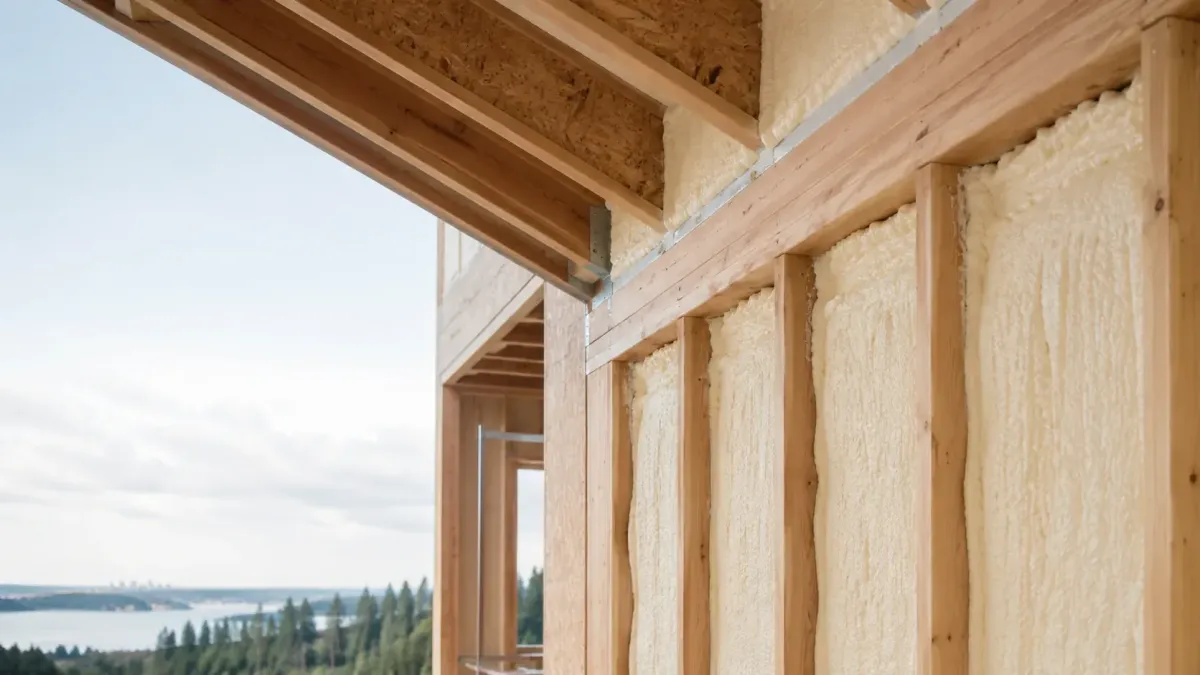
Closed cell is the default material on this side of the city and it is the ground rather than a preference that decides it. Against a below-grade wall on a bench above the Sammamish River valley, vapor resistance is doing as much work as raw insulating value, and a product that lets moisture pass is the wrong product no matter what it saves per board foot. The same applies at the rim joist and in the shallow cavities that hillside framing produces where there is not enough depth to hit a useful number any other way. On a dry, deep attic floor in the same house we would recommend something cheaper and say so. Permits for the work route through the Woodinville Development Services Department, and we file rather than leaving it to you.
Spray foam specified per assembly, installed across Bellevue and the Eastside, documented well enough to claim the rebate.
Proudly serving Bellevue, Kirkland, Bothell, Woodinville, Mercer Island and Medina for years.
Comprehensive Spray Foam Insulation Services in Bellevue
Tailored to Your Needs
Ten services, and they are not one job in ten costumes. Foaming a vented crawl space, filling an open stud bay, and cutting failed foam out of an attic use different products, different equipment and different inspection paths. Start with the one that matches what your house is actually doing.
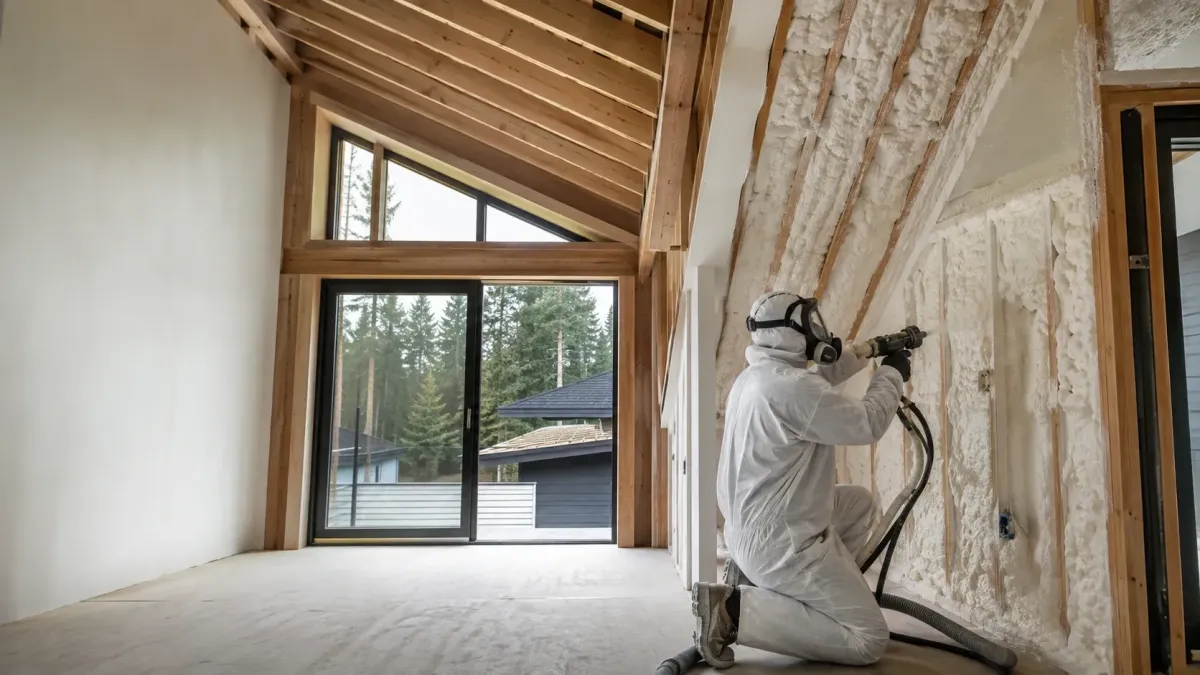
Foam is mixed and cured on site, so the contractor matters more than the product.
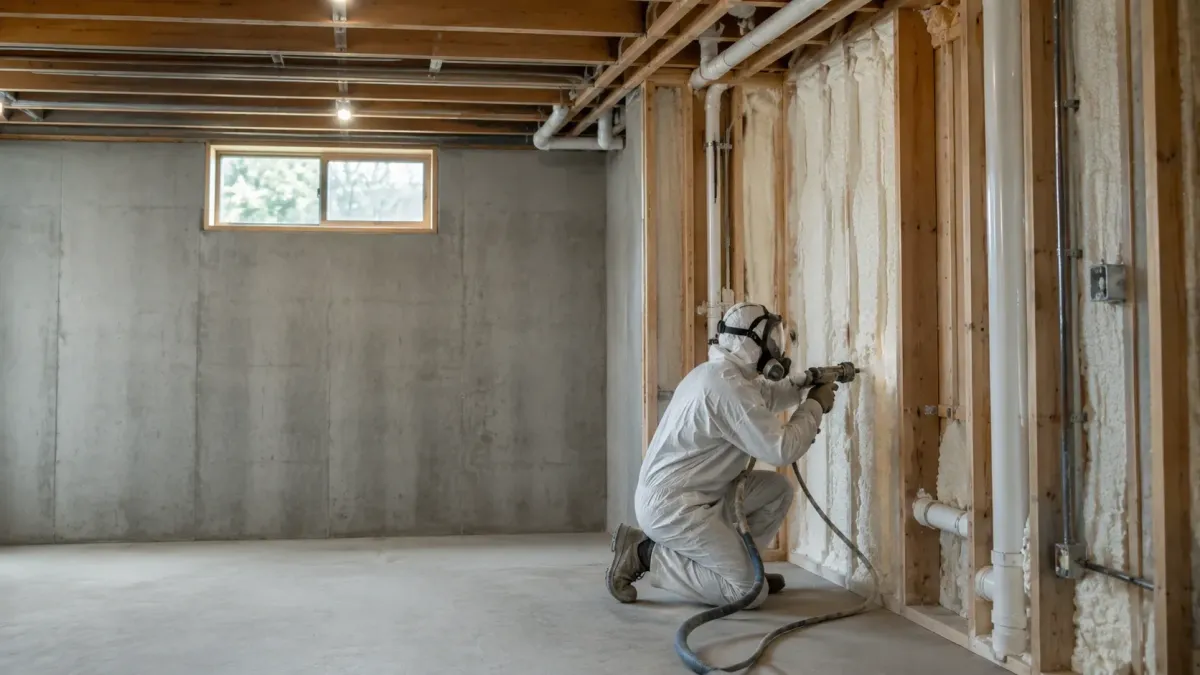
Closed cell against foundation walls and rims, once the water question is answered.
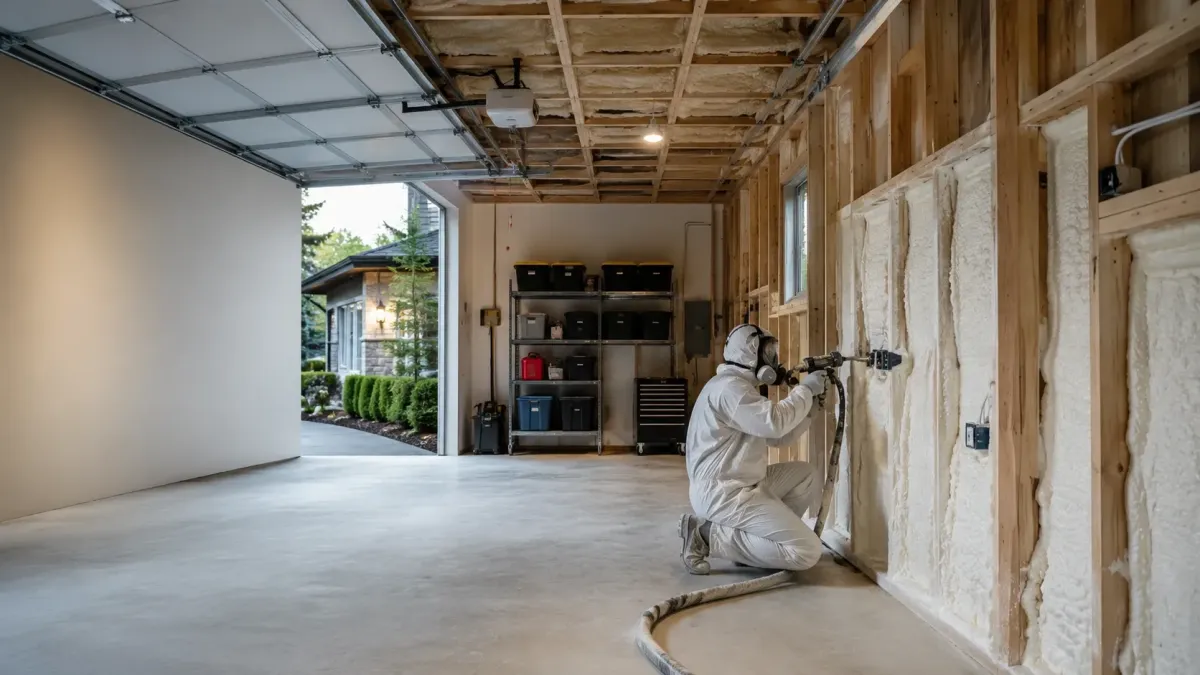
A garage holds temperature when wall, ceiling and door get treated together.
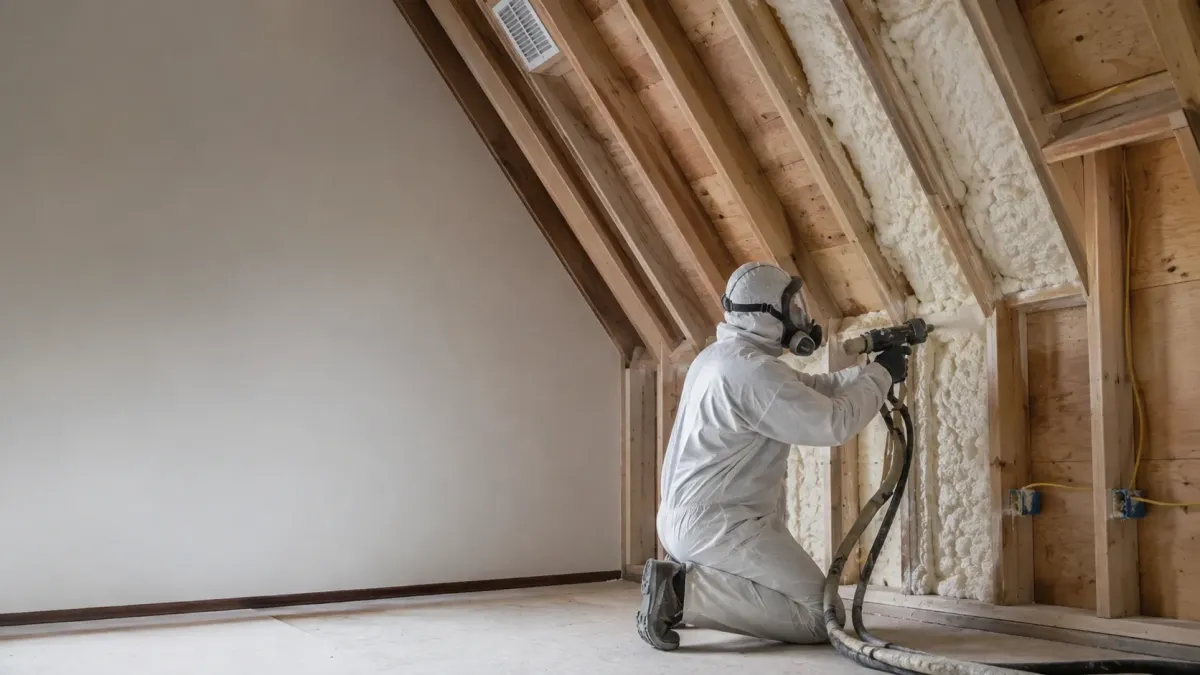
Light foam that expands to fill a cavity completely and quiets the house.
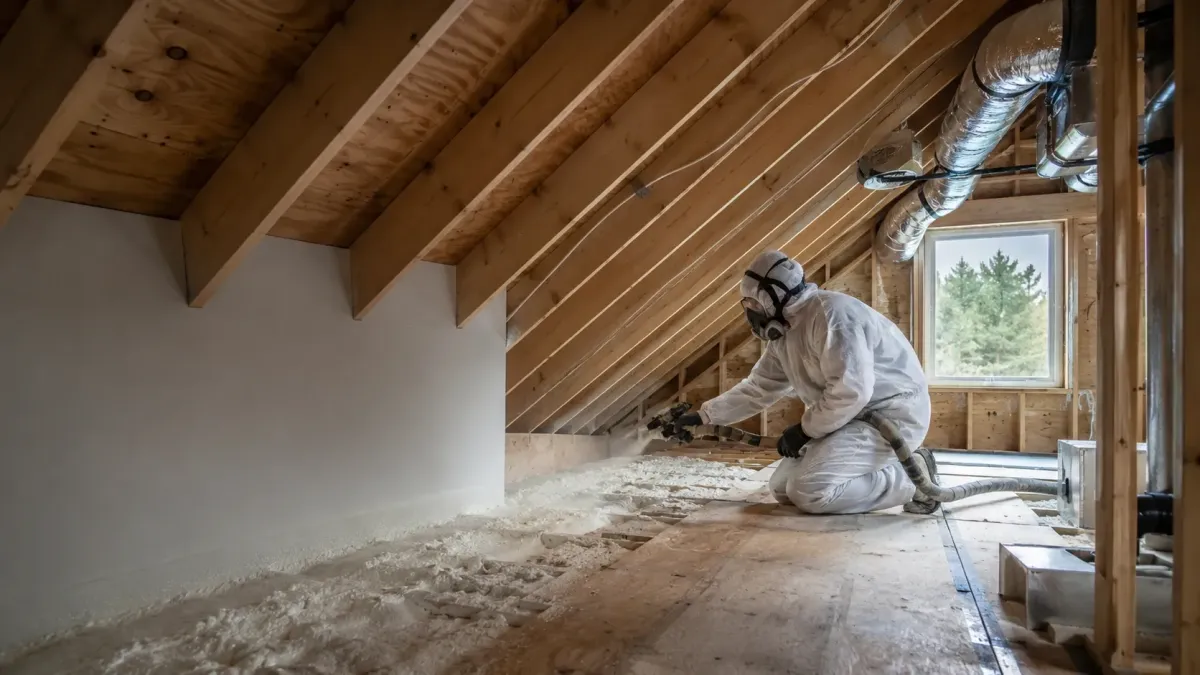
Most attic heat loss is air leaving through holes, not heat crossing insulation.
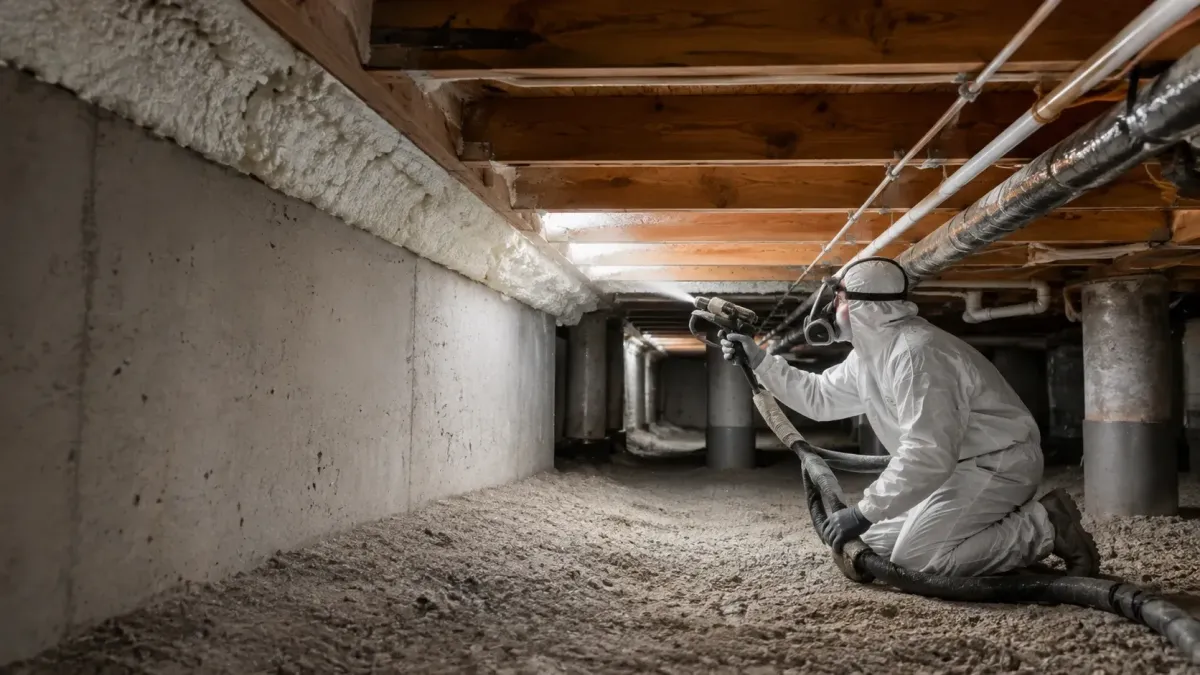
Crawl space work starts with ground moisture, because insulation over wet ground fails.
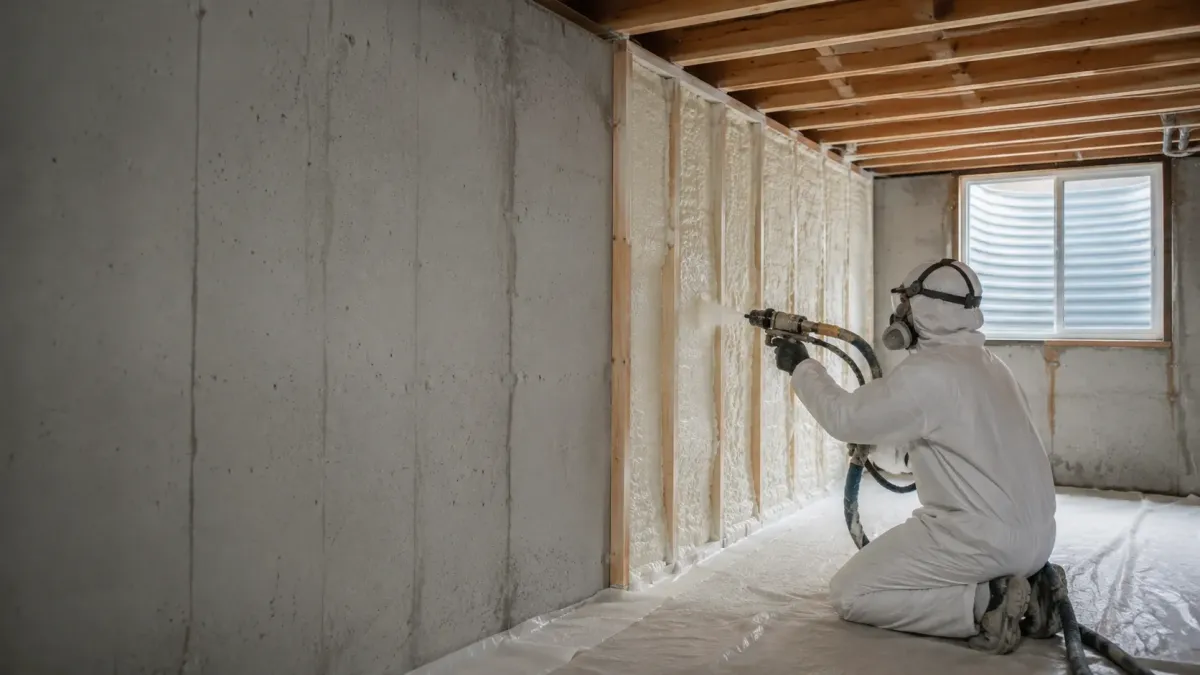
Closed cell gives the highest R-value per inch and resists vapor movement.
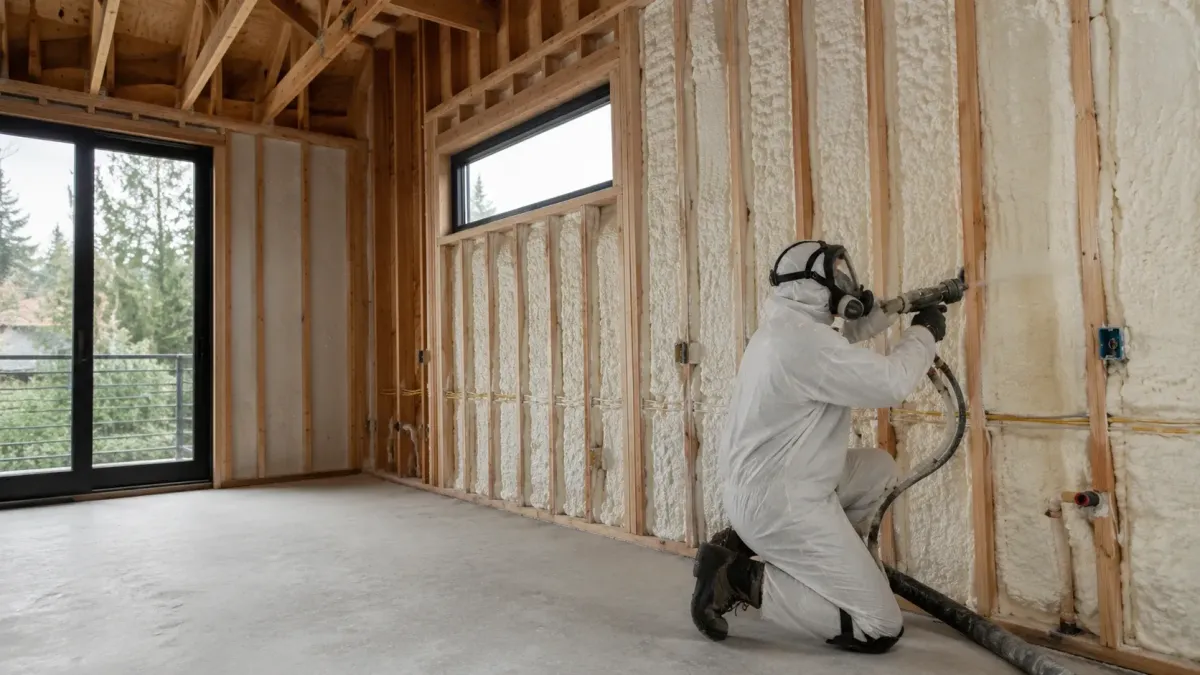
Foam into open stud bays during remodels, additions and re-siding work.
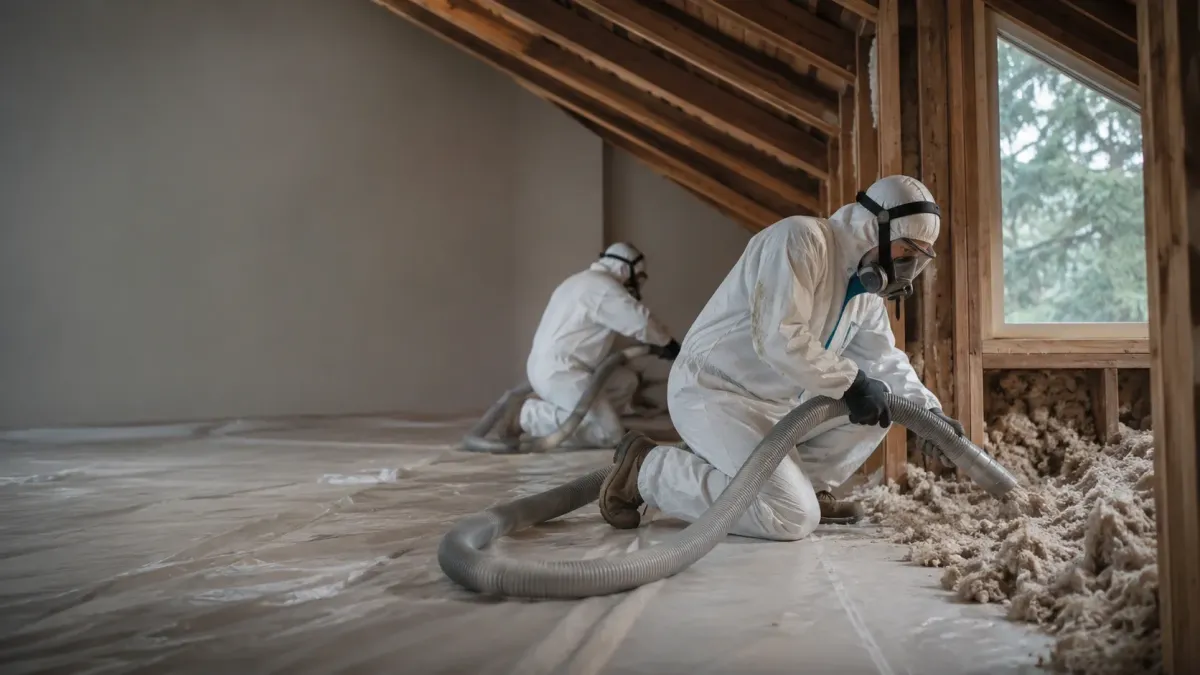
Removal is contained, dirty work, and the cavity has to be clean afterwards.
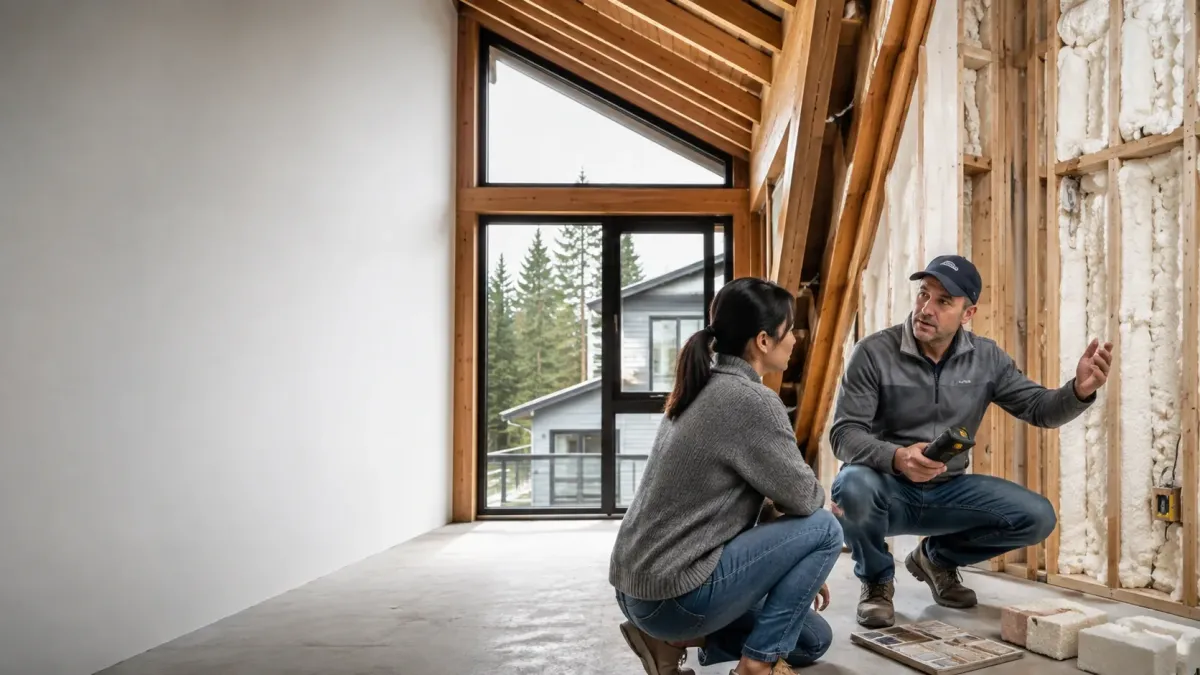
Foam is priced by board foot, so depth moves the number more than area does.
Frequently Asked Questions
Spray Foam Insulation can be complex, and we’re here to provide answers to common questions. Here are some frequently asked questions from our clients.
Frequently Asked Questions about spray foam insulation bellevue wa
How much does spray foam insulation cost in Bellevue?
There is no single Bellevue number, and a figure quoted over the phone is not one you can hold anyone to. Foam sells by the board foot, meaning area multiplied by depth, so a job is priced on volume rather than floor area. Access, preparation, foam type and the depth the assembly has to reach then move it from there. We price after a walkthrough and show how the figure was built.
Is spray foam insulation worth it?
It is worth it where air movement is the actual problem, which on the Eastside usually means crawl spaces, rim joists, basement walls and empty stud bays. It is poor value in a vented attic that is simply shallow and already reasonably tight, because blown-in reaches the same R-value there for less. We tell you which of those two situations your house is in, including when the answer costs us the bigger job.
Open cell or closed cell for a Bellevue crawl space?
Closed cell, in almost every case. Bellevue sits in ASHRAE Climate Zone 4C, the marine zone, where ground moisture moves upward through a vented crawl space more or less continuously rather than for one season. Closed cell resists vapor as well as air and adheres to the joists instead of sagging off them. Open cell at a rim joist here would be the wrong material at any price.
Does spray foam qualify for a PSE rebate?
Some of it does, and the conditions are specific rather than general. Puget Sound Energy has to be your primary heat source, the home has to be old enough and the existing insulation thin enough, the work has to leave the thermal boundary where it is, and it has to be installed by a Trade Ally. Foaming a roof deck moves the boundary by definition, so that one falls outside. We check your position before the proposal.
What R-value does a Bellevue attic need?
The Washington State Energy Code sets the target for new construction, and an existing Bellevue home is grandfathered to whatever code it was built under. So the practical question is not what you are required to hit but what depth pays for itself on your ceiling plane. Depth only performs once the air is stopped, which is why we seal the plane, the hatch and the penetrations before adding an inch of anything.
Do I need a permit to spray foam a garage or basement conversion in Bellevue?
Adding insulation inside an existing home often goes ahead without one. Converting unheated space into heated space is a different matter, because the 2021 Washington State Energy Code applies to that conversion and sets insulation, ventilation and mechanical requirements that come with it. We confirm the scope and the permit path before quoting rather than discovering it once the rig is on site.
Still Have Questions About spray foam insulation bellevue wa?
Speak With a Trusted Spray Foam Insulation Expert Today.
What Our Satisfied Clients Have to Say About
We pride ourselves on delivering great results and experiences for each client. Hear directly from home and business owners who’ve trusted us with their Spray Foam Insulation needs.

Our crawl space in Somerset smelled like a wet basement every spring and two companies told us to staple up more batts. These people got underneath, showed us the ground cover had torn along two runs, and fixed that before any foam went in. They came back a week later to do the rim joist. The smell is gone and the floors are warm.
Anders K.
We have a mid-century place off Lake Hills Connector where the upstairs ran about ten degrees off the rest of the house. They sealed the ceiling plane, the hatch and the can lights before adding any depth, then documented what they hit. They also filled in the PSE rebate paperwork rather than leaving us to chase it, which I was not expecting.
Rosalind W.
Bought a house in Factoria where a previous owner had foamed the attic badly and it was pulling away from the deck in sheets. They cut all of it out, found the roof leak that caused it, and told us to get that fixed before they came back. Nobody enjoys being told to wait, but they were right and they were straight with us about the mess.
Devin O.
The Trusted Spray Foam Insulation Expert Near You
Ready to hear more about expert services at ?
Contact us today to receive a detailed, no-obligation quote.


